
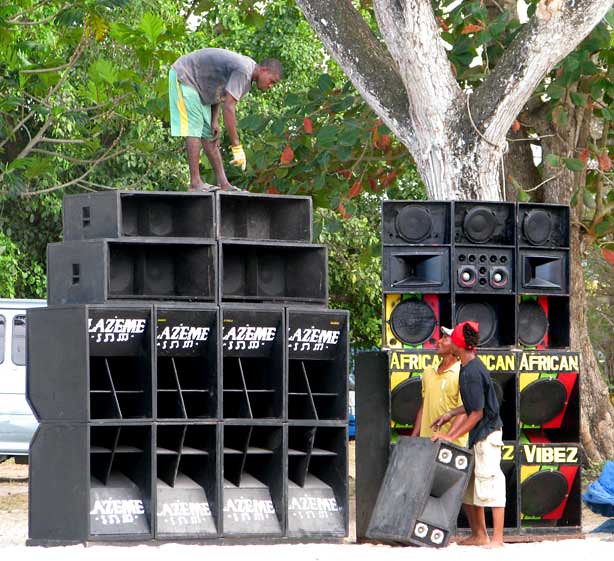
Reggae music and sound system culture are inseparable—two forces that have shaped not only Jamaican identity but also the global landscape of music. While many know reggae through its legendary artists, behind every unforgettable performance and every bass-heavy riddim stood towering sound systems operated by dedicated crews. These sound system crews weren’t just providing amplification; they were cultural architects, community builders, and sonic revolutionaries. This tribute explores the iconic sound system crews that shaped reggae and left an indelible mark on music history.
The Birth of Sound System Culture
In the late 1940s and early 1950s, Jamaica’s streets became the birthplace of a cultural phenomenon that would echo across the globe. Sound systems emerged as mobile discotheques—massive speaker setups powered by custom-built amplifiers, playing American R&B records that weren’t available on Jamaican radio. These weren’t just music players; they were social institutions, bringing communities together in yards, street corners, and dance halls across Kingston and beyond.
The sound system became the beating heart of Jamaican music culture, giving birth to genres like ska, rocksteady, and reggae. The operators—known as selectors, DJs, and sound system operators—became cultural heroes, their names synonymous with quality sound and unforgettable performances.

Sir Coxsone’s Downbeat: The Pioneer
Clement “Coxsone” Dodd’s Downbeat sound system was arguably the most influential in reggae history. Operating from the 1950s through the 1970s, Coxsone didn’t just play music—he created it. When American R&B records became harder to obtain, he started recording his own music, eventually founding Studio One, the legendary recording studio that launched countless reggae careers.
Downbeat was known for its impeccable sound quality and Coxsone’s uncanny ability to read a crowd. Artists like Bob Marley & The Wailers, Burning Spear, and Alton Ellis all recorded for Studio One, their music first tested on Downbeat’s mighty speakers before reaching the world. Coxsone’s legacy lives on in every reggae rhythm and every sound system that values quality and cultural authenticity.
Duke Reid’s Trojan: The Mighty Competitor
Arthur “Duke” Reid operated his Trojan sound system like a musical empire. A former policeman, Reid brought military precision and showmanship to the sound system scene. His trademark? Arriving at dances with a gun and cartridge belt, firing shots to announce Trojan’s presence—a dramatic flair that became legendary in Kingston’s competitive sound clash culture.
Reid’s Treasure Isle recording studio produced some of reggae’s most enduring riddims. Artists like The Paragons, The Melodians, and Tommy McCook & The Supersonics created timeless tracks for Duke Reid. The fierce rivalry between Coxsone and Duke Reid pushed both to elevate their game, ultimately enriching Jamaica’s entire musical landscape.
Prince Buster’s Voice of the People
Cecil Bustamante Campbell, better known as Prince Buster, brought a unique voice to sound system culture. His Voice of the People sound system was more than entertainment—it was a platform for social commentary and political expression. Buster pioneered the “DJ toast,” speaking over instrumental tracks in a rhythmic style that would later evolve into modern dancehall and influence hip-hop.
Tracks like “Al Capone” and “Madness” became anthems, their infectious rhythms played on sound systems worldwide. Prince Buster’s innovation in both sound system operation and music production set standards that continue to influence reggae and dancehall culture today.
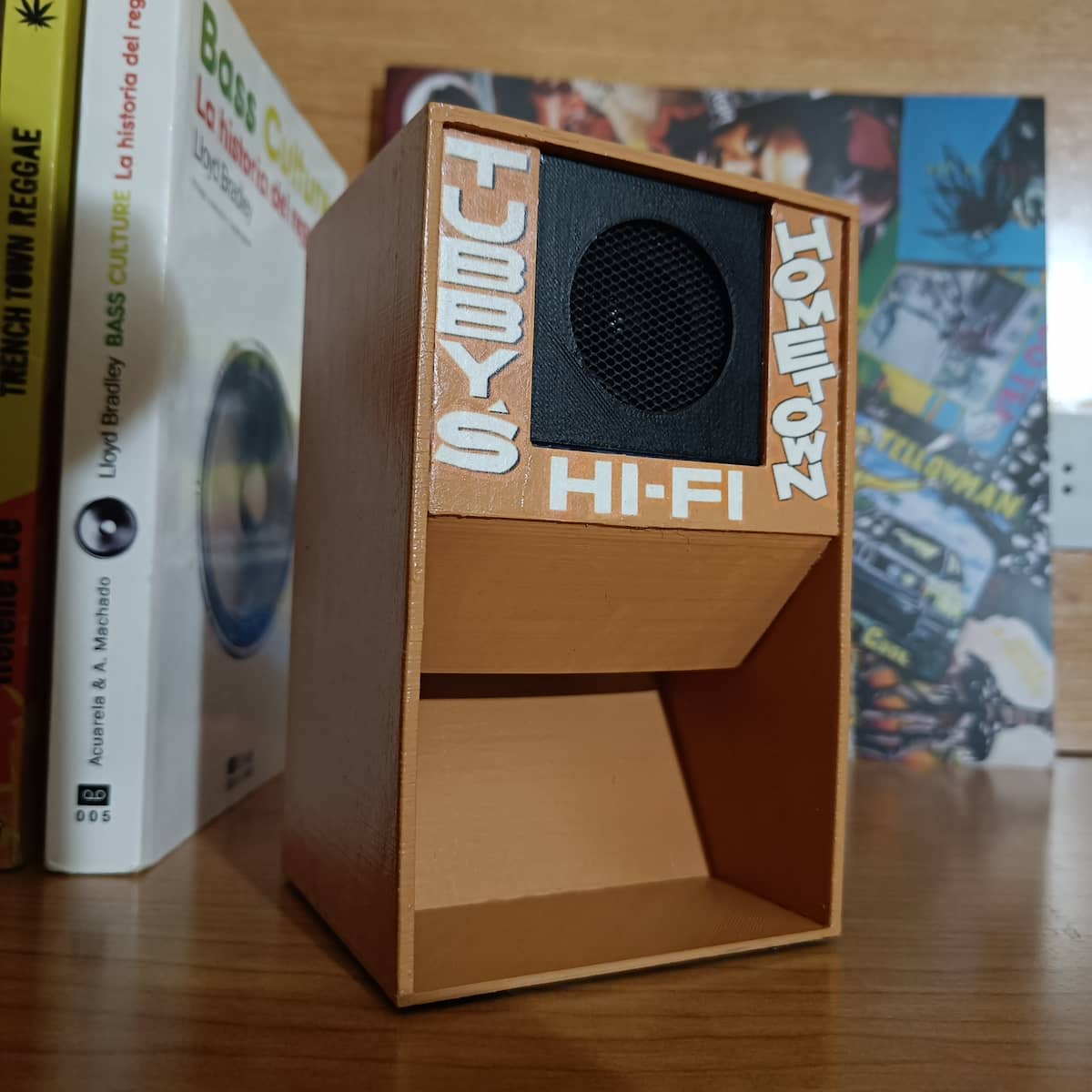
King Tubby’s Hometown Hi-Fi: The Dub Revolution
Osbourne Ruddock, known as King Tubby, transformed sound system culture through his revolutionary approach to sound engineering. His Hometown Hi-Fi wasn’t just a sound system—it was a laboratory where dub music was born. Tubby’s custom-built equipment and innovative mixing techniques created entirely new sonic landscapes, stripping down tracks to their rhythmic essence and adding echo, reverb, and delay in ways never heard before.
Operating primarily in the Waterhouse district of Kingston, King Tubby’s sound became legendary for its bone-rattling bass and crystal-clear highs. His influence extends far beyond reggae, touching electronic music, hip-hop, and modern production techniques worldwide. For those wanting to capture that legendary Tubby sound at home, our Tubby’s Hometown Hi-Fi Mini Bluetooth Speaker pays homage to this iconic system.
Jah Shaka: The Spiritual Warrior
Born in Jamaica and rising to prominence in London, Jah Shaka brought a deeply spiritual dimension to sound system culture. His sessions weren’t just dances—they were transcendent experiences, combining conscious roots reggae with meditative atmosphere and powerful bass vibrations. Shaka’s sound system became a temple where music, Rastafari spirituality, and community merged into one.
Playing primarily conscious roots reggae and dub, Jah Shaka championed African liberation, spiritual awareness, and social justice. His influence spread sound system culture throughout Europe, proving that the movement transcended geographical boundaries. Even today, Jah Shaka’s sessions maintain their reputation as among the most powerful sound system experiences in the world.
Stone Love Movement: The Dancehall Dominators
Founded in 1972 by Winston “Wee Pow” Powell, Stone Love Movement represents the evolution of sound system culture into the dancehall era. While respecting the foundations laid by earlier pioneers, Stone Love embraced the digital revolution of the 1980s and the deejay-dominated culture that followed. Their massive speaker stacks and cutting-edge technology set new standards for sound system power.
Stone Love’s dominance in the 1990s and 2000s was unmatched, with their sessions attracting thousands and their sound clashes becoming legendary events. They successfully bridged generations, playing classic roots alongside modern dancehall, proving that sound system culture could evolve while honoring its roots.
The Legacy Lives On
These legendary sound system crews did more than play music—they created culture, fostered community, and gave birth to musical innovations that continue to resonate globally. From Coxsone’s Studio One to King Tubby’s dub revolution, from Prince Buster’s toasting to Jah Shaka’s spiritual sessions, each sound contributed unique elements to the rich tapestry of reggae culture.
Today, sound system culture thrives worldwide, from Kingston to London, Tokyo to New York. Modern systems continue the tradition, using cutting-edge technology while maintaining the core principles: quality sound, cultural respect, and community building. The bass still rumbles, the riddims still roll, and the spirit of those pioneering crews lives on in every sound system session.
At Conesonic, we celebrate this rich heritage by creating mini replicas of iconic sound systems. Whether it’s our Red Oak Sound System, our tribute to King Jammy’s Super Power, or our homage to Watts Attack, each piece honors the legendary crews that shaped reggae. These aren’t just speakers—they’re connections to a culture that changed the world, one bass drop at a time.